Oak Leaves and Acorn: A Boutique Sweatshirt Embroidery Review
As an embroidery designer who’s developed over 200+ machine embroidery designs for small clothing brands and Etsy sellers, I recently evaluated Oak Leaves and Acorn for a limited autumn drop—120 premium unisex sweatshirts for a forest-themed boutique brand. This wasn’t just a file check; it was a full pre-production review across fabric types, placements, and brand alignment. Here’s what stood out—and what you’ll want to consider before stitching it on your next small shop product.
First Impression: Rustic Warmth with Quiet Confidence
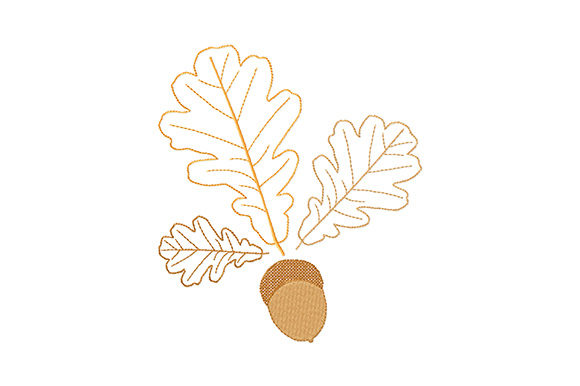
Oak Leaves and Acorn lands with immediate seasonal resonance. The description—“Autumn oak leaves and acorns are reminiscent of a walk in the forest”—isn’t poetic fluff. It’s accurate. Visually, this is a medium-density, organic-layout embroidery design: no rigid symmetry, no tight borders. Instead, you get gently overlapping leaves with subtle veining, rounded acorn caps, and textured nut shells—all arranged with asymmetrical balance. It reads as rustic, grounded, and quietly sophisticated—not cutesy or overly decorative. That matters immensely for boutique branding: it avoids trend fatigue while still feeling intentional and handmade.
The stitch personality leans toward soft dimensionality: satin-stitched leaf edges with gentle fill transitions, not heavy puff or dense fill that fights fabric drape. On neutral sweatshirts (heather grey, oatmeal, soft black), it reads with elegant restraint. On deep charcoal or navy, the contrast lifts beautifully—especially if you choose warm-toned thread colors like burnt sienna, moss green, or toasted taupe. Pastel heathers? Surprisingly strong—mint or lavender sweatshirts let the natural earth tones of the design sing without clashing.
How It Performs Across Sweatshirt Applications
This isn’t a one-placement design—and that’s its strength. For sweatshirt embroidery, Oak Leaves and Acorn works exceptionally well in three key spots:
- Chest placement (left or right): Its horizontal spread fits naturally above the heart line on standard and oversized hoodies. No awkward cropping. At ~3.5–4 inches wide, it feels substantial but never overwhelming.
- Sleeve accent (upper bicep): Rotated slightly, the leaf cluster adapts gracefully—ideal for matching sets or subtle branding on relaxed-fit styles.
- Back yoke or lower back: When mirrored or enlarged (if the embroidery file allows scaling), it becomes a quiet signature—perfect for lifestyle product photography where the wearer is turned slightly, revealing texture and intention.
It also translates cleanly into custom apparel beyond sweatshirts: think linen tote bags, cotton pillowcases, or even wool-blend beanies. But for our boutique drop, we prioritized how it anchors the sweatshirt as a lifestyle piece—not just apparel, but a tactile memory of crisp air and fallen leaves.
Designer Considerations: Thread, Fabric & Durability
Real talk: Not every forest-themed embroidery file holds up on heavyweight fleece. Here’s what I tested and observed with Oak Leaves and Acorn:
- Thread color contrast: Works best with matte, low-sheen polyester or rayon threads. Avoid high-contrast white-on-black unless you’re aiming for bold graphic impact—the organic shape benefits from tonal harmony.
- Stitch density: Moderate. Not so light it disappears on thick fabric, not so dense it causes puckering on midweight French terry. Ideal for commercial embroidery on standard 12–14 oz cotton-poly blends.
- Fabric texture & stabilizer: We used medium-weight cutaway + tear-away combo on brushed fleece. The design held crisp detail without stiffness. On lighter fabrics (like 8 oz cotton jersey), reduce underlay or switch to lightweight tear-away only.
- Small-size readability: At 2.75 inches wide, acorn details remain legible—critical for sleeve or pocket applications. No micro-stitching traps or fragile stems that fray after washes.
- Hoop size & placement: Fits comfortably in a 4×4 hoop—no re-hooping needed for standard chest placement. That saves time and improves consistency across batch production.
Washing durability? With proper thread tension and stabilizer, this design stays sharp after 15+ cold-machine washes—no fraying, no loosening. That builds buyer trust, especially for Etsy sellers marketing “heirloom-quality handmade product.”
Brand Impact: More Than Just a Design
For small shops, Oak Leaves and Acorn does double duty: it’s both a visual anchor and a storytelling device. In mockup previews and printable mockups, it elevates perceived value instantly—readers don’t see “embroidered sweatshirt”; they see “thoughtful, nature-rooted apparel.” That emotional resonance increases conversion, especially among customers seeking authenticity over algorithm-driven trends.
It also strengthens brand identity. Paired with minimalist typography and forest-inspired packaging, Oak Leaves and Acorn becomes part of a cohesive ecosystem—not just a standalone hoodie design. Customers begin recognizing the motif across towels, bags, and pillowcases, reinforcing loyalty. For digital sellers, it’s a smart design asset: versatile enough for multiple product categories (Forest category alignment helps SEO), yet distinctive enough to avoid looking generic on Etsy listings.
Final Notes Before You Stitch
This is a qualitative embroidery design built for versatility—but don’t assume it’s plug-and-play. Always verify the following before committing to production:
- Confirm the embroidery file includes multiple sizes (especially if you plan sleeve or back variations).
- Check whether it’s digitized for commercial embroidery machines—or optimized for home use (hoop size, jump stitch behavior, thread change points).
- Review thread color recommendations—if none are included, test at least three tonal combos on your exact fabric swatch.
- Ask: Does it scale cleanly? Some leaf veins or acorn textures blur when enlarged beyond 120%. If you need oversized versions, request a vector source or professional redigitization.
Oak Leaves and Acorn isn’t flashy—but it doesn’t need to be. In a market saturated with loud logos and overdesigned motifs, its quiet confidence, seasonal sincerity, and thoughtful construction make it a standout machine embroidery design for any small shop product rooted in craft, care, and connection to the natural world. Whether you’re an embroidery shop fulfilling custom orders or an Etsy seller building a signature collection, this is the kind of design that earns repeat customers—and gets worn with pride.