Ice Cubes Embroidery Design Review
Real-World Use Across Your Small Business Product Line
- Baby & Nursery: Stitched on swaddle blankets, burp cloths, or crib sheet corners—especially effective in icy blue, pearl gray, or ivory thread on light heather fabrics.
- Wedding & Occasion Gifts: Embroidered on hand towels, linen napkins, or cotton robe pockets. Customers consistently comment how “unexpectedly thoughtful” it feels.
- Home Decor & Keepsakes: Perfect for pillow covers (linen, velvet, or cotton duck), framed hoop art, or custom gift boxes lined with embroidered tissue.
- Commercial Embroidery Projects: Works well for boutique hotel welcome kits, café aprons, or local distillery merch—its clean aesthetic scales elegantly from intimate to branded.
Practical Embroidery Notes You’ll Want Before Stitching
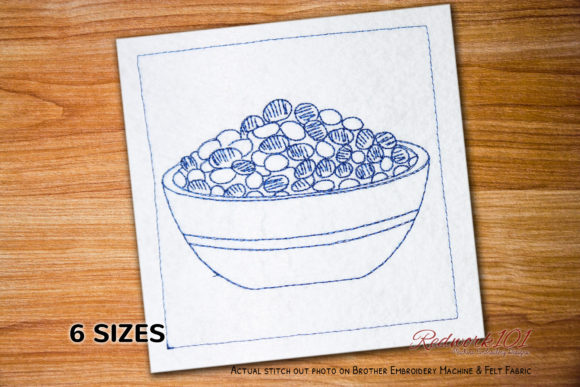
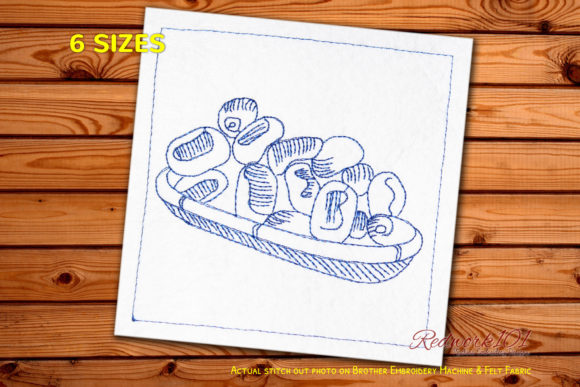
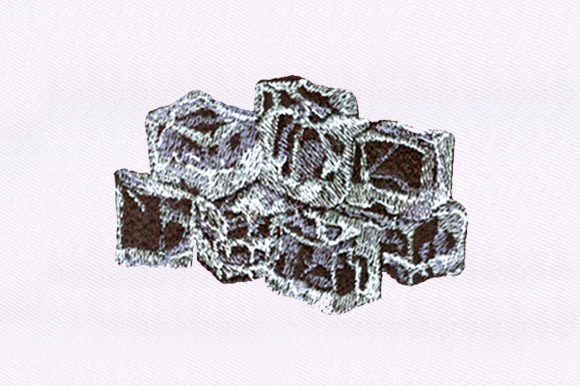
Test stitch first—always. Run a sample on the exact fabric and stabilizer combo you plan to use. Ice Cubes includes fine internal lines and gentle contouring; these details can blur on stretchy baby knits or thick fleece unless stabilized properly. For baby embroidery, I recommend medium-weight tear-away + light iron-on backing. For embroidered towels, cut-away stabilizer prevents puckering and holds shape through repeated washing.
Thread colors make or break the mood. Try matte cottons in frosty tones (like Sulky Blendables in Glacier or Dove Grey) for softness—or go bold with metallic silver for holiday home decor. Avoid high-contrast combos on dark fabric unless you add a white underlay; the design’s subtlety relies on tonal layering, not stark outlines.
Hoop size is fixed at 4×4—ideal for small-shop efficiency—but double-check your machine’s actual stitching area. Some 4×4 hoops have tighter margins. Also verify file compatibility: Ice Cubes comes in 14 formats (PES, DST, JEF, VIP, and more), so most commercial and home machines are covered. Still, always open the embroidery file in your editing software before production to confirm alignment and trim points.