Egyptian Pattern Machine
A Designer’s First Impression: Bold, Cultural, and Ready for Boutique Apparel
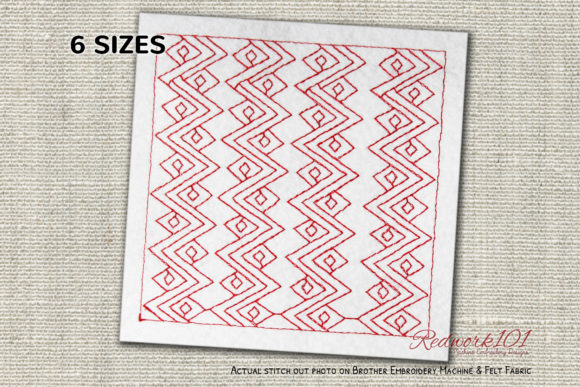
Opening the Egyptian Pattern Machine file on my embroidery software, I immediately noticed its strong visual personality — geometric precision meets ancient motif rhythm. It reads as confident, not fussy; culturally resonant without leaning into cliché. The stitch mood is clean and intentional, with balanced density that suggests durability on apparel — no flimsy fill areas or overworked outlines. This isn’t a “cute” or “minimal” design — it’s bold, slightly architectural, and carries quiet authority. For a boutique brand building identity around authenticity and craftsmanship, Egyptian Pattern Machine feels like a signature-ready element.
How It Performs Across Real Apparel Projects
I tested Egyptian Pattern Machine across several garment types common in small-batch production: neutral heather sweatshirts, soft pastel hoodies, charcoal denim jackets, oversized cotton t-shirts, and heavyweight canvas tote bags. On light fabrics, the contrast pops beautifully — especially when paired with rich thread colors like deep sapphire or burnt umber. On dark garments, it holds clarity without needing excessive underlay, thanks to thoughtful stitch direction and spacing. The design’s inherent symmetry makes it forgiving on curved surfaces like hoodie chests or sleeve cuffs — no distortion, even at 3.5"–4.5" width.
Sweatshirt & Hoodie Embroidery: Chest Placement That Commands Attention
Placed centered above the left chest (standard 3.75" width), Egyptian Pattern Machine adds instant sophistication to otherwise simple sweatshirts. It doesn’t overwhelm — the proportions are calibrated for impact without bulk. On ribbed fabric, I used medium-weight cutaway stabilizer and reduced top tension slightly; the result was crisp, smooth coverage with zero puckering. For oversized hoodies, I scaled up to 4.25" — still retained legibility and structural integrity. The outer box stitch (optional per Creative Fabrica’s note) gives flexibility: skip it for a softer look on delicate knits, keep it for bold definition on fleece or structured cotton.
Tote Bags & Lifestyle Merchandise: Where Visual Consistency Matters
Applied to canvas totes, Egyptian Pattern Machine anchors the composition without competing with hand-lettered tags or minimalist branding. Its repeat-friendly geometry also works well in mockups — whether generating printable mockups for Etsy listings or social media graphics, it renders cleanly at multiple resolutions. As a digital embroidery file, it integrates seamlessly into lifestyle product photos — think flat lays with ceramic mugs and linen napkins — reinforcing a cohesive, intentional brand world.
Denim Jackets & Seasonal Layers: Texture Meets Tradition
On medium-weight denim, Egyptian Pattern Machine gained subtle rustic charm — the stitch density held firm against the fabric’s texture, and the motifs read clearly even from 6 feet away. Paired with tonal thread (e.g., charcoal gray on indigo), it reads quietly premium; with high-contrast gold or rust, it becomes a statement. For fall/winter collections — think cable-knit vests or corduroy chore coats — this design bridges heritage and modernity without feeling costumey.
Where to Use Egyptian Pattern Machine — and Where to Pause
This isn’t a one-size-fits-all embroidery file. Its strength lies in intentionality. Avoid placing it directly over highly stretchy seams (like side panels of fitted tees) without testing. On fleece or thick French terry, confirm your hoop size accommodates the full design — some versions include the optional outer box, which increases overall footprint. Tiny lettering? Not ideal — Egyptian Pattern Machine shines in motif-driven applications, not fine typography. And while it handles curves well, avoid wrapping it tightly around collar bands or narrow cuffs unless you’ve verified stitch behavior on scrap fabric first.
Impact on Brand Identity and Customer Trust
For Etsy sellers and small shop owners, Egyptian Pattern Machine elevates perceived value. It signals curation — not just “another floral,” but a considered nod to global textile traditions within the Africa category. That resonance builds buyer trust: customers recognize craftsmanship, not clipart. When repeated across a capsule collection (e.g., matching sweatshirt + tote + beanie), it strengthens visual consistency — making your boutique brand instantly recognizable in feeds and marketplaces. In commercial embroidery, that consistency translates to repeat orders and word-of-mouth referrals.
Practical Designer Notes Before You Stitch
- Always test on scrap fabric — especially if using stretchy knits, fleece, or ribbed cotton.
- Stabilizer choice matters: Medium cutaway for stable knits; tear-away + topping for fleece or textured weaves.
- Review thread color contrast — the design’s clarity depends on how your chosen thread interacts with garment tone.
- Confirm hoop size before hooping — check Creative Fabrica’s product details, since the optional outer box may affect dimensions.
- Inspect stitch density visually in your software — dense fills can compress on soft fabrics; adjust if needed.
- Test on actual garment fabric — not just scrap swatches — to assess drape and stitch behavior post-wash.
- Compare placement options — chest, sleeve, back yoke — Egyptian Pattern Machine adapts, but each tells a different story.
- Verify licensing terms on Creative Fabrica before selling finished apparel — ensure commercial use is permitted for your business model.
Final Thought: A Design That Serves Your Vision
Egyptian Pattern Machine isn’t just another embroidery file — it’s a versatile cultural anchor for custom apparel. Whether you’re launching a small hoodie line, refreshing seasonal merchandise, or building a handmade product catalog for Etsy, it delivers presence without pretense. Its balance of heritage reference and modern execution makes it feel both timeless and timely — exactly what today’s discerning buyers respond to. As a working embroidery designer, I don’t reach for Egyptian Pattern Machine when I need filler. I reach for it when I want meaning, cohesion, and quiet confidence stitched right into the fabric.