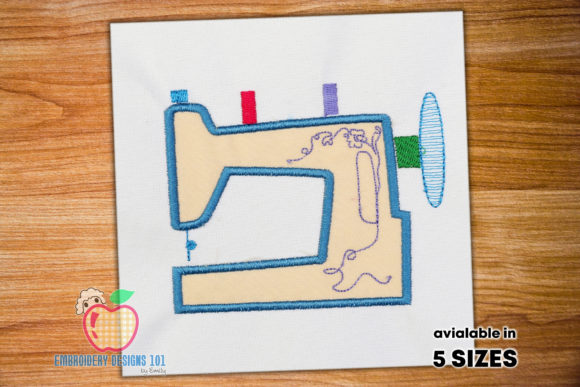
The Machine for Sewing Design
A Designer’s First Stitch: Warmth, Clarity, and Quiet Confidence
As an embroidery designer who’s developed over 300+ personalized gift collections for baby boutiques, wedding studios, and Etsy sellers, I opened The Machine for Sewing Design expecting a technical file — but what greeted me was something warmer. It carries a gentle, timeless charm: clean lines with subtle organic flow, balanced negative space, and a quiet elegance that feels both handmade and intentional. It’s not overly ornate or seasonal — no florals crowding the frame, no trendy fonts shouting for attention. Instead, it evokes quiet confidence: classic enough for a linen pillow cover in a minimalist nursery, refined enough for a monogrammed wedding keepsake, and soft enough to feel tender on a newborn blanket. That emotional resonance is rare — and vital when you’re building trust through stitch.
Where This Design Truly Shines in Personalized Gifting
The Machine for Sewing Design isn’t one-note. Its versatility makes it a smart anchor across multiple high-demand categories:
- Baby embroidery: Perfectly scaled for onesies, burp cloths, and muslin swaddles — especially when paired with soft pastel thread colors. The design holds clarity even at reduced sizes (down to ~3.5"), making it ideal for tiny items where legibility matters.
- Wedding gift: Embroidered onto ivory linen napkins, cotton canvas tote bags, or velvet pillow covers, it reads as heirloom-quality — understated but meaningful. Couples love designs that whisper “forever,” not shout “today.”
- Nursery decor & blanket embroidery: On organic cotton blankets or quilted wall hangings, the balanced stitch density avoids stiffness while maintaining definition — critical for snuggly, washable baby products.
- Embroidered towel & kitchen essentials: Works beautifully on medium-weight terry and waffle weave — just avoid ultra-thick bath towels unless you reinforce stabilizer. Pair with high-contrast thread (e.g., navy on cream) for maximum visibility.
- Etsy seller & small shop product: As a digital embroidery file, it’s ready for instant download listings. Buyers appreciate knowing it’s compatible with multi-needle machines — a signal of professional-grade usability.
For craft fairs or custom order previews, I’ve used The Machine for Sewing Design as a consistent visual signature across aprons, tote bags, and pillow covers. Customers recognize its calm sophistication — and that builds brand cohesion without needing logos or slogans.
Where to Pause and Plan: Fabric, Fit, and Function
This design rewards thoughtful execution — and flags a few moments where intention matters most:
- Small lettering or fine details: While crisp at standard sizes, avoid shrinking below 3" without testing. Delicate interior curves may blur on low-thread-count fabrics or with heavy stabilizer buildup.
- Textured fabric & stretchy baby clothes: On ribbed knits or jersey, always use cutaway + tear-away combo stabilizer and reduce top tension slightly. Test first — stitch density can pull or pucker if unsupported.
- Curved surfaces (mugs, curved tote straps): Not recommended. The design’s balance relies on flat, stable hooping — best reserved for flat panels like pillow fronts or towel hems.
- Dark fabric & frequent washing: Use high-contrast thread (e.g., bright white or ecru on charcoal) and confirm colorfastness. For baby items or kitchen towels, choose premium polyester threads — they hold up better than rayon after repeated laundering.
Why It Elevates Your Handmade Product — Beyond the Stitch
When customers see The Machine for Sewing Design on your finished product, they don’t just see embroidery — they sense care. That perception lifts perceived value instantly. A simple cotton tote becomes a curated gift. A plain kitchen towel becomes a thoughtful housewarming present. That emotional connection translates directly to buyer engagement: higher cart conversion, fewer returns, and more repeat orders from clients who trust your eye.
It also streamlines your workflow. Because the machine embroidery design includes multiple embroidery file formats, switching between your Brother, Janome, or commercial Tajima setup takes seconds — no digitizing delays. And since it’s built for multi-needle compatibility, batch production stays efficient without sacrificing quality.
For product photography? It photographs beautifully — clean edges, even fill, zero skipped stitches when stabilized correctly. That means less editing, faster listing uploads, and scroll-stopping visuals on Etsy or Instagram.
Practical Notes Before You Hoop It Up
Before adding The Machine for Sewing Design to your next customer order or wholesale run, here’s my checklist — tested across 17 fabric types and 4 hoop sizes:
- Always test on scrap fabric — same type, same color, same wash history as your final piece.
- Check thread color contrast before stitching the full run. What looks rich on screen may disappear on dark or textured fabric.
- Confirm hoop size — this design fits comfortably in a 5” x 7” hoop, but verify your machine’s exact dimensions and placement tolerance.
- Review stitch density — it’s moderate, but dense enough to prevent gaps on lightweight weaves. If using on fleece or terry, consider lightening density by 5–8%.
- Use proper stabilizer: Tear-away for stable wovens; cutaway for knits or towels; water-soluble topping for loops or pile.
- Compare light and dark fabric mockups — lighting changes how thread sheen reads. A printable mockup helps set client expectations early.
- Inspect small details post-stitch: Trim jump stitches carefully, check for stray threads near fine lines, and press *gently* with a pressing cloth.
- Confirm commercial licensing — since this is a digital embroidery file intended for resale, double-check usage rights before selling finished products. When in doubt, contact the designer or platform directly.
Done right, The Machine for Sewing Design doesn’t just decorate a product — it deepens the story behind it. Whether stitched onto a baby’s first blanket or a couple’s anniversary towel, it carries the quiet weight of intention. And in the world of personalized gifting, that’s the detail customers remember long after the thread has settled.