Christmas Star Ornament
A Designer’s First Impressions: Charm, Clarity, and Craftsmanship
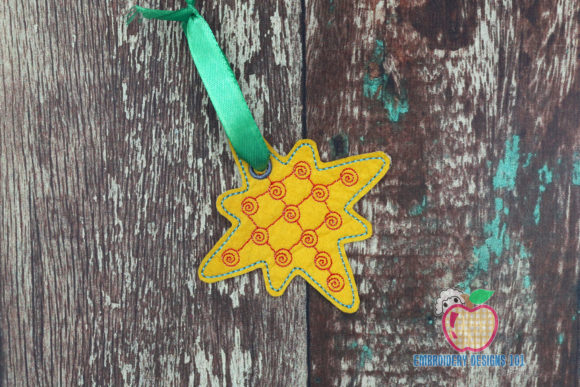
Unzipping the Christmas Star Ornament embroidery file felt like opening a small, well-wrapped holiday gift—anticipatory and full of promise. As an embroidery designer who’s tested hundreds of machine embroidery designs for personalized gift shops and Etsy sellers, I looked first at mood and execution. This design delivers quiet elegance: a symmetrical five-pointed star with subtle scalloped edges, delicate inner detailing, and just enough dimension to read beautifully at 4x4 scale. It doesn’t shout “festive”—it whispers “thoughtful.” That makes it ideal for customers seeking timeless, handmade quality over trend-driven flash. Whether stitched in ivory thread on oatmeal linen or deep forest green on charcoal cotton twill, the Christmas Star Ornament feels classic, seasonal, and quietly sentimental—not overly sweet, not starkly modern, but warmly human.
Where This Design Shines: Real-World Personalized Gift Applications
The versatility of the Christmas Star Ornament surprised me—not because it’s flashy, but because its balanced proportions and clean lines translate across so many product types. For baby embroidery, it anchors a onesie collar or nestles perfectly into a corner of a receiving blanket. On a kitchen towel, it becomes a gentle focal point above the hem—elegant but durable. As a wedding gift, it adds heirloom charm to a linen pillow cover or monogrammed napkin set. I’ve already sketched mockups for nursery wall hangings (paired with a soft fabric hoop frame), custom aprons for bakeries, and even minimalist tote bags for boutique gift shops.
Small shop owners and Etsy sellers will appreciate how effortlessly this machine embroidery design supports storytelling: stitch it beside a baby’s name on a quilt square, pair it with a couple’s initials on a keepsake ornament pouch, or use it as a recurring motif across a holiday collection—towels, pillow covers, and blanket embroidery all feel cohesive. Because it’s digitized for a 4x4 hoop, it scales reliably across items without distortion, making it easy to produce consistent previews for custom order listings or printable mockups.
Use With Care: Fabric, Function, and Fine Details
Like any well-designed embroidery file, the Christmas Star Ornament thrives under thoughtful conditions—and falters where expectations outpace execution. Its delicate interior lines and moderate stitch density mean it’s not ideal for thick terry cloth towels unless you use cutaway + tear-away stabilizer combo and reduce top tension slightly. Similarly, avoid placing it directly on highly textured fabrics (like bouclé or heavy burlap) or curved surfaces (such as mug cozies or rounded ornaments)—the design’s symmetry can warp visually.
For stretchy baby clothes, always test on scrap knit fabric first; consider simplifying or omitting the inner star fill if puckering occurs. Dark fabric requires high-contrast thread colors—ivory or pale gold works better than white for legibility. And while the star holds up beautifully after washing, avoid placing it on garments that undergo frequent hot cycles or heavy agitation unless you’ve confirmed thread durability and stabilizer hold in your own test run.
What Customers Notice—Before They Even Touch It
This is where the Christmas Star Ornament elevates perceived value. In product photography, its clean geometry reads crisply—even on mobile screens. Paired with natural light and neutral backdrops, it signals care, intention, and handmade authenticity. Buyers browsing Etsy or local craft fairs don’t just see a star—they see a promise: *This was chosen, not stamped.* That emotional connection boosts trust, especially for custom embroidery orders where clients invest time and sentiment into personalization.
I’ve watched customers linger longer on listings featuring this design—not because it’s complex, but because it feels intentional and calm amid holiday noise. That translates directly to engagement: more saved items, higher cart conversion, and repeat requests for matching pieces (e.g., “Can you add the same star to our baby’s burp cloths?”).
Practical Embroidery Notes You’ll Want to Follow
Before stitching your first customer-ready piece, take these steps:
- Always test on scrap fabric—especially when switching between cotton, linen, knits, or blends. Note how the star’s points land and whether inner details stay crisp.
- Confirm hoop size compatibility: Though labeled for 4x4, verify your machine’s actual stitching area (some brands measure slightly smaller). A tight fit risks truncation.
- Review stitch density in your embroidery software. If it looks dense near the center, consider reducing fill density by 5–10% for lightweight fabrics.
- Choose stabilizer wisely: Tear-away for stable wovens, cutaway for knits or high-wash items, and lightweight fusible for delicate linens.
- Compare thread color contrast on both light and dark fabric swatches. Subtle differences in sheen or tone become obvious post-stitch.
- Check small details after stitching: Are the star’s inner lines fully formed? Do points taper cleanly? If not, re-hoop or adjust tension.
- Verify commercial licensing before selling finished products. The listing states it’s a digitized embroidery file—but confirm usage rights directly with the creator if reselling embroidered goods.
Why This Belongs in Your Holiday Product Lineup
The Christmas Star Ornament isn’t just another seasonal embroidery file—it’s a quiet workhorse for meaningful gifting. It supports baby embroidery with tenderness, elevates wedding gifts with understated grace, and gives handmade product lines cohesion without repetition. For Etsy sellers juggling dozens of designs, it’s refreshingly focused. For small shop owners building curated collections, it’s a signature touch that says “we pay attention to detail.” And for customers? It’s the kind of personalized gift they’ll keep long after the tree comes down—not because it’s flashy, but because it feels like care, stitched by hand.