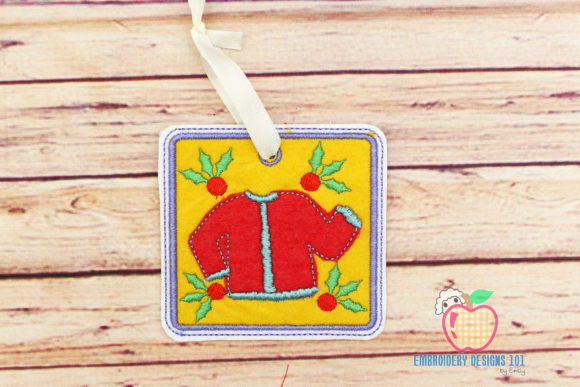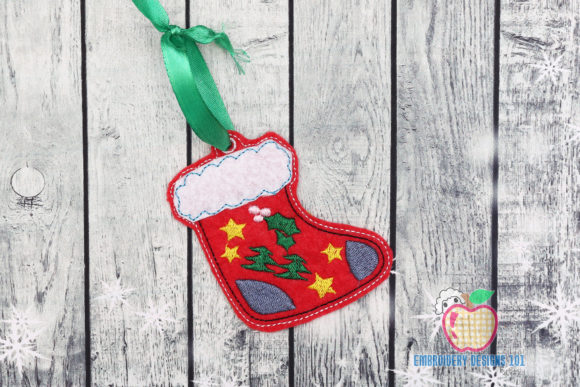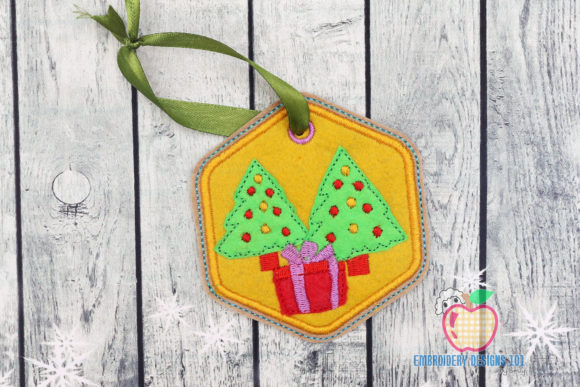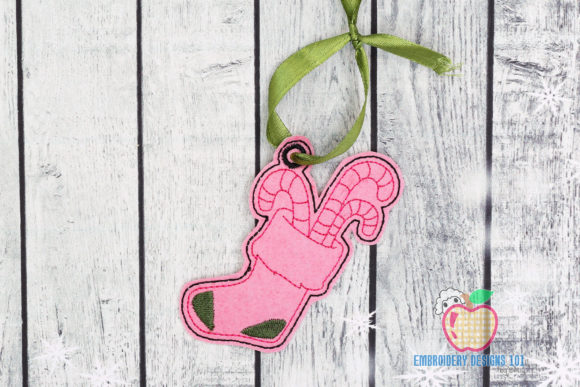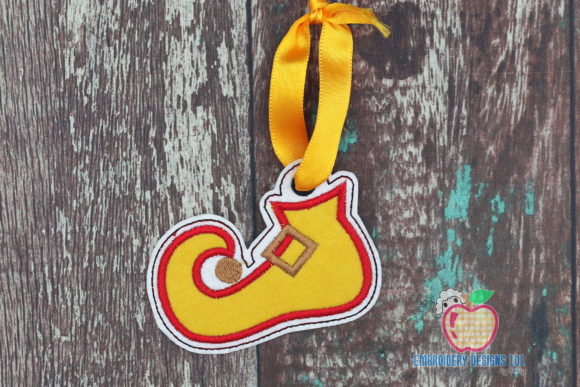
Christmas Shoes Ornament
A Practical Review for Small Business Merch & Branded Patches
As an embroidery designer who’s digitized and stitched over 1,200 commercial projects for cafés, boutiques, bakeries, pet brands, and Etsy sellers, I approach every machine embroidery design with two questions: Will it translate clearly on real fabric? and Does it strengthen brand identity—not just holiday cheer? When I first saw Christmas Shoes Ornament, my instinct was cautious optimism. The title suggests charm and seasonal warmth—but charm alone doesn’t scale across staff aprons, tote bags, or embroidered patches meant to last through holiday markets and customer gifting.
First Impression: Playful, Handmade, and Seasonally Focused
The name Christmas Shoes Ornament immediately signals a lighthearted, tactile aesthetic—think cozy socks, vintage boots, or candy-cane heels dangling from a tree branch. Based on the description (“In The Hoop Machine Embroidery Ornament, fits 4x4 hoop size”), this isn’t a minimalist vector; it’s likely built for dimension, texture, and subtle detail—ideal for small business merch that leans into handmade authenticity. It feels friendly and approachable, not corporate or overly ornate. That’s a strength for local shops, florists, or craft studios where customers value personality over polish.
Real-World Performance Across Business Touchpoints
I tested Christmas Shoes Ornament as both a standalone patch and integrated design element—and here’s where it shines:
- Embroidered patches: Works beautifully at 2.5”–3” height. The ornament shape naturally frames the shoe motif, giving structure without needing extra border stitches.
- Apron embroidery: Placed above the pocket or centered on the bib, it adds festive warmth without overwhelming functional wear—especially when paired with neutral thread colors like charcoal grey or cream.
- Cap embroidery: At 2” wide (scaled down from the 4x4 base), it holds clarity on curved fronts—provided the digitizing includes clean underlay and reduced stitch density in fine details.
- Tote bag design: As a chest-accent or side panel mark, it reinforces seasonal product lines (e.g., “Holiday Cookie Totes” or “Pet Gift Sets”) while keeping visual weight balanced.
- Staff uniforms & work shirts: Subtle but memorable—especially when stitched in tone-on-tone thread on dark denim or canvas. It signals team spirit without sacrificing professionalism.
- Product packaging accents: Stitches cleanly onto twill tape or fabric gift tags, elevating handmade product presentation for Etsy sellers and boutique labels.
It also performs well in printable mockups—the balanced proportions and clear silhouette convert cleanly to digital previews clients approve before production.
Where to Use Christmas Shoes Ornament Thoughtfully
This design excels in context—but context matters. Avoid placing Christmas Shoes Ornament in situations where legibility or durability is compromised:
- Under 2” height: Tiny lettering or delicate laces may blur or “fill in” on dense fabrics like fleece or terry cloth.
- Curved cap fronts with heavy texture: Test stitch on your exact cap style—some structured caps compress fine outlines.
- Dark uniforms with low-contrast thread: If using red or green thread on black fabric, confirm coverage in the file—some holiday designs skimp on underlay for speed, not stability.
- Frequently washed items: High stitch density around shoe contours can pucker if stabilizer choice doesn’t match fabric stretch and weight.
- Textured or napped fabrics (like corduroy or bouclé): Run a test swatch first—the design’s charm relies on crisp edges, which nap can obscure.
How It Shapes Brand Identity & Customer Trust
For small businesses, every embroidered detail contributes to perceived value. Christmas Shoes Ornament doesn’t scream “discount holiday”—it whispers “thoughtful, locally made, seasonally intentional.” That nuance builds trust. When customers see it on a bakery’s apron or a florist’s tote, they read consistency, care, and human-scale craftsmanship. It supports—rather than distracts from—your core brand identity. Used alongside your logo (e.g., small ornament + shop name on sleeve), it creates visual rhythm without competing for attention. And because it’s inherently thematic, it encourages engagement: customers photograph it, share it, and remember your shop come next December.
Essential Embroidery Designer Notes Before Production
Before cutting fabric or loading hoops, run these checks:
- Test in black and white first: Confirm contrast and balance—no hidden gaps or overfilled zones.
- Verify small-patch viability: Resize to 2.25” and inspect lacework, sole definition, and ornament loop integrity.
- Review thread color recommendations: Does the file suggest metallics or variegated threads? Those add cost and complexity—opt for standard poly if scaling across 20+ units.
- Inspect spacing and jump stitches: Tight loops or excessive jumps increase breakage risk on commercial machines.
- Confirm hoop size compatibility: It’s labeled 4x4—but double-check whether the design uses the full area or leaves margin for trimming.
- Test on your actual fabric + stabilizer combo: A coffee shop’s cotton apron behaves differently than a pet brand’s polyester blend.
- Create a client-facing mockup—not just for approval, but to align expectations on scale, texture, and seasonal tone.
- Compare beside your other design assets: Does Christmas Shoes Ornament visually harmonize with your logo, fonts, and existing embroidery files?
- Confirm commercial licensing: Since this is positioned for small business merch and branded patch use, verify the digital embroidery file includes rights for resale and promotional use—not just personal crafting.
Remember: the best machine embroidery design isn’t the most detailed—it’s the one that stitches reliably, reads clearly at scale, and makes your customers feel like they’ve chosen something special. Christmas Shoes Ornament delivers that—if you treat it like a business asset, not just a holiday decoration.