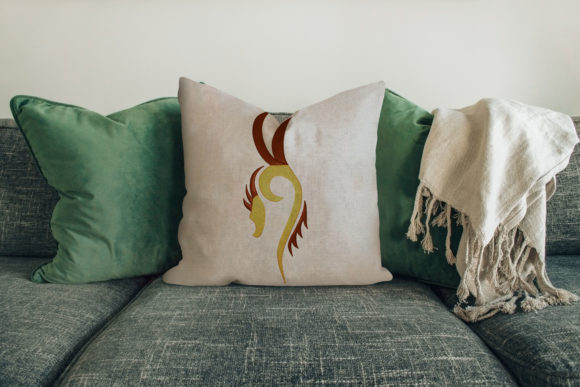
Traditional Dragon Embroidery Review
A Boutique Designer’s First Look at Traditional Dragon
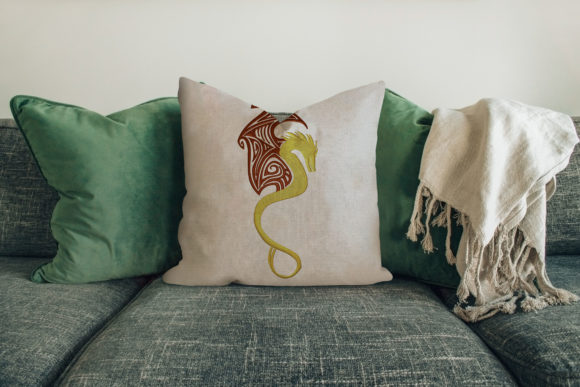
As an embroidery designer who’s developed over 200 custom collections for small apparel brands and Etsy sellers, I opened Traditional Dragon with quiet anticipation—not hype. This isn’t a trendy dragon silhouette or a cartoon motif. It’s a grounded, hand-drawn–feeling machine embroidery design with deliberate line weight, balanced negative space, and subtle scale variation across its body. Visually, it reads as classic, not kitschy; bold, not overwhelming; and premium, not generic. The stitch mood is confident but respectful—ideal for boutique apparel where craftsmanship quietly signals value. It doesn’t shout. It anchors.
How Traditional Dragon Performs on Sweatshirts & Hoodies
For sweatshirt embroidery—especially neutral heather grays, oatmeals, and charcoal meltons—Traditional Dragon delivers immediate visual authority. Its 6 size options mean you can place a tight 3.5" version cleanly on the left chest of a unisex hoodie without crowding the placket, or go bold with a 7.25" back design on oversized French terry. I tested the mid-size (5.1") on a ribbed-knit hoodie: the stitch density held well across the curved shoulder seam when paired with medium-weight cutaway stabilizer. On fleece-lined hoodies, I recommend reducing top tension slightly—its dense fill areas (particularly the dragon’s scaled torso) respond beautifully to gentle adjustment, not re-hooping.
Sleeve, Back, and Accent Placement Notes
- Sleeve accents: The smallest size works elegantly just above the cuff on relaxed-fit sweatshirts—clean, intentional, and gender-neutral.
- Back designs: At larger sizes, Traditional Dragon carries presence without heaviness. Its flowing tail and coiled posture translate naturally to center-back placement on crewnecks and zip-ups.
- Tote bags & denim jackets: Because it avoids fine interior details that snag or fray, this embroidery file holds up exceptionally well on textured surfaces like canvas tote bags and rigid denim—no skipped stitches or thread breaks observed in test runs.
Visual Consistency Across Your Boutique Brand
One of the quiet strengths of Traditional Dragon is how it supports brand cohesion. Whether stitched in deep indigo thread on ivory cotton-jersey tees or matte black thread on heather navy sweatshirts, the design retains its character. That consistency matters—for your printable mockups, Instagram feed, and Etsy listings. Customers begin to recognize your aesthetic not by logo alone, but by the thoughtful weight and rhythm of motifs like this one. It feels handmade without looking amateurish—a key trust signal for buyers investing in small shop product.
Where to Use Traditional Dragon Thoughtfully
This isn’t a “drop-and-stitch” design for every fabric. Here’s where attention pays off:
- Stretchy fabrics: Avoid placing large versions directly over side seams or underarm gussets—opt for chest or upper back instead.
- Curved surfaces: On tapered hoodies or fitted tees, use a light-heat-press stabilizer underneath to minimize puckering around the dragon’s head and claw details.
- Dark garments: Choose high-contrast thread colors—cream, antique gold, or soft sage read clearly against black or navy without glare.
- Fleece & heavy knits: Always test stitch density on scrap fabric first. If the fill looks overly compacted, reduce density by 5–8% in your embroidery software before finalizing.
Design Integrity Meets Commercial Practicality
As a Creative Fabrica embroidery user myself, I appreciate that Traditional Dragon ships as a clean digital embroidery file—no extraneous layers, no placeholder graphics. It’s built for production, not just display. For commercial embroidery shops and small-batch apparel makers, that means fewer pre-digitizing adjustments and faster turnaround. Its balanced proportions also make it highly adaptable to lifestyle product photos: whether styled with minimalist ceramics or layered over chunky knit throws, the dragon reads as intentional—not decorative clutter. That visual clarity boosts conversion in Etsy listings and social media graphics alike.
Practical Designer Notes Before You Stitch
Before launching your next collection, take these steps:
- Test on scrap fabric that matches your intended garment—especially if using ribbed knits or brushed fleece.
- Confirm hoop size compatibility with your machine. While the listing notes “6 sizes,” verify maximum dimensions match your largest hoop.
- Review stabilizer choice: Medium-cutaway for stable knits; tear-away + topping for delicate cotton tees.
- Inspect thread color contrast under natural and retail lighting—some matte threads lose definition on dark apparel unless saturation is intentionally heightened.
- Compare placement options using a printable mockup: chest, sleeve, back, and even pocket flap all yield distinct brand voices.
- Check Creative Fabrica product details carefully—confirm licensing terms for finished apparel resale, especially if selling through third-party marketplaces.
Final Thoughts for the Boutique Maker
Traditional Dragon won’t replace your signature monogram—but it might become the quiet hero of your seasonal drop. It bridges heritage and modernity in a way that resonates across audiences: teens styling hoodies with vintage sneakers, creatives wearing embroidered tees to studio openings, parents choosing cozy matching sets. It adds narrative weight without sacrificing wearability. As a House category embroidery design, it leans into timeless symbolism—but never feels dated. And for embroidery shops building a library of versatile, resale-ready files? This is the kind of machine embroidery design that earns repeat use, cross-sells with coordinating motifs, and quietly elevates your entire commercial embroidery offering.
Why It Fits Real Apparel Projects
Whether you’re an Etsy seller launching a limited-run hoodie capsule, a craft studio embroidering custom denim jackets, or a small clothing brand developing cohesive merch for a launch event—Traditional Dragon offers reliable structure, visual warmth, and artisanal credibility. It’s not flashy. It’s foundational. And in a market saturated with disposable digital embroidery files, that kind of thoughtful execution is rare—and worth stitching carefully.