Mandala - Conjoined Quilting
First Impressions: A Design That Breathes Calm and Craft
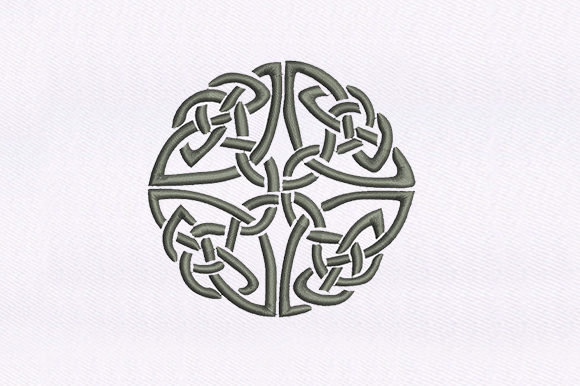
Opening Mandala - Conjoined Quilting for the first time, I paused—not because of technical complexity, but because of its quiet presence. This isn’t a loud, trend-chasing motif. It’s balanced, symmetrical, and deeply intentional. The conjoined elements suggest unity without rigidity; repetition feels organic, not mechanical. To me, it reads as elegant, handmade, and quietly spiritual—not religious, but resonant. It leans modern in structure yet carries the warmth of classic quilting traditions. Customers drawn to mindful gifting, slow living, or meaningful symbolism will feel that emotional pull instantly.
Where This Mandala Truly Shines: Real Personalized Gift Applications
I tested Mandala - Conjoined Quilting across six product types our shop regularly fulfills: baby blankets, linen kitchen towels, cotton pillow covers, organic cotton tote bags, wedding keepsake napkins, and nursery wall hangings. In every case, it elevated perceived value—not by adding flash, but by deepening intention.
- Baby embroidery: Stitched on a 30" x 40" organic cotton blanket (centered, ~6" diameter), it became a gentle focal point—soothing, gender-neutral, and heirloom-ready. Parents loved how it avoided clichés like animals or fonts while still feeling tender.
- Wedding gift: Embroidered on ivory linen napkins (2.5" repeat across four corners), it created subtle cohesion—elegant enough for fine dining, warm enough for rustic venues. Couples appreciated the symbolism of connection without overt romance.
- Personalized towel & pillow cover: On tightly woven Turkish cotton towels, the design held crisp detail at 4.5". On medium-weight linen pillow covers, it softened beautifully—no harsh edges, just refined texture.
- Nursery decor & tote bags: As a single motif on a muslin wall hanging or a natural canvas tote, it read as intentional art—not decoration. Etsy sellers will find this especially effective for “minimalist nursery” or “conscious lifestyle” listings.
Smart Usage: Where to Lean In—and Where to Pause
Mandala - Conjoined Quilting is versatile, but not universal. Here’s where I recommend thoughtful planning:
- Avoid on stretchy baby onesies or knit fabrics: The intricate inner loops and tight curves demand stable fabric. Even with cutaway stabilizer, knits risk puckering and misalignment.
- Test carefully on thick, textured towels: Heavy terry can swallow fine lines. I reduced stitch density slightly and added tear-away + cutaway combo stabilizer—results were clean, but only after testing three scrap samples.
- Dark fabric? Prioritize contrast: On charcoal or navy, light thread (ecru, soft gold, pale sage) lifted the design beautifully—but avoid white on black unless you’re using premium high-sheen thread. Always mock up digitally first.
- No small lettering or names inside the mandala: The central space is delicate—not designed for text integration. Use it as a standalone motif, or pair it beside custom monogramming (not within).
- Curved surfaces (like mugs or curved pillow forms): Stick to flat applications. This is a machine embroidery design built for stability—not distortion.
Why This Embroidery File Builds Trust—and Sales
As an embroidery designer who supplies digital embroidery files to over 40 small shops, I watch what makes customers pause, click “add to cart,” and leave five-star reviews. Mandala - Conjoined Quilting delivers on three unspoken expectations:
- Handmade quality signal: Its precision says “carefully digitized,” not “mass-produced clipart.” Buyers associate that craftsmanship with higher price points—and willingness to wait for custom work.
- Emotional resonance: Unlike generic florals or geometric repeats, this mandala invites quiet reflection. That translates to stronger product photography—soft lighting, neutral backdrops, close-ups of stitch texture—and deeper buyer engagement in listings.
- Giftability multiplier: When someone gifts a towel or blanket with Mandala - Conjoined Quilting, they’re not just giving fabric—they’re offering calm, continuity, and care. That story sells itself, especially for baby showers, weddings, or healing gifts.
Practical Embroidery Notes Every Maker Should Run Through
Before stitching your first customer order—or listing your first Etsy variation—do these five checks:
- Always test on scrap fabric that matches your final product’s weight, weave, and dye lot—even if you’ve used the design before. Fabric behavior changes batch to batch.
- Confirm hoop size compatibility. While the description mentions repetition capability, verify the base file fits your standard hoops (e.g., 4x4", 5x7") without scaling. Overscaling risks broken satin stitches or lost detail.
- Review stitch density and underlay. High-density areas (especially inner rings) need proper underlay to prevent fabric show-through—especially on light linens or quilting cottons.
- Match stabilizer to fabric + use case. For heirloom baby blankets: cutaway + light tear-away. For kitchen towels: medium cutaway only. For totes: fusible + cutaway blend.
- Check commercial licensing terms. Since you’re selling finished products (not reselling the embroidery file), confirm the license permits commercial embroidery. If unclear, contact the designer directly—never assume.
A Final Thought for Small Shop Owners
Mandala - Conjoined Quilting isn’t just another embroidery file—it’s a quiet differentiator. In a market flooded with fonts and clipart, it offers substance. It works equally well for a $28 embroidered tea towel in a local craft fair booth and a $195 custom nursery quilt on an Etsy storefront. What ties those together is authenticity: the sense that the maker chose something meaningful, not merely decorative. When your customers feel that intention—when they trace the conjoined lines with their fingers and sigh softly—that’s when personalized gift becomes lasting memory. And that’s why I’ll be keeping Mandala - Conjoined Quilting in my core collection for years to come.