Hungry Puma Cat
A Bold, Playful Wild Animal Design That Elevates Boutique Apparel
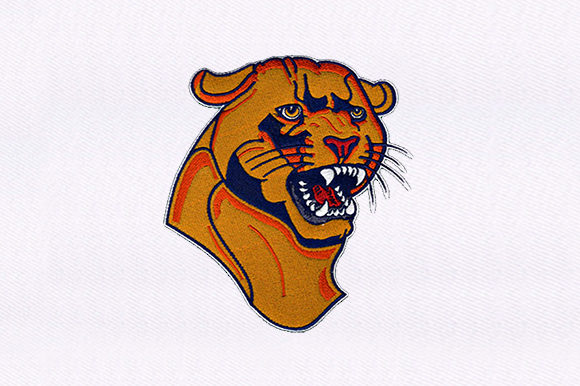
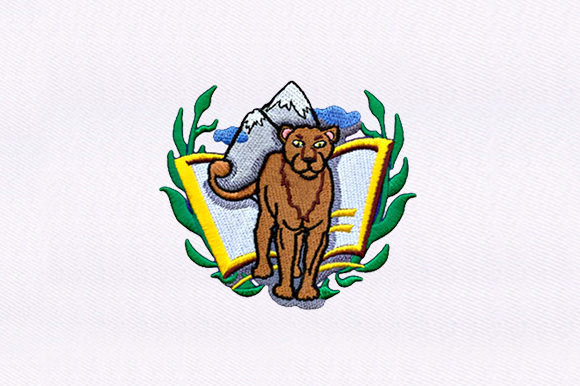
As an embroidery designer who’s developed over 200 commercial collections for small clothing brands and Etsy sellers, I approach every Creative Fabrica embroidery download with a very specific checklist: Does it translate cleanly to apparel? Does it hold visual weight on sweatshirts and hoodies without looking flat or overly dense? And most importantly—does it feel intentional, not generic? When I first previewed Hungry Puma Cat, I paused. It’s not cutesy or cartoonish—it’s sleek, slightly untamed, with a grounded posture and focused gaze that reads as confident, not aggressive. The design leans into expressive line work and balanced negative space, giving it strong decorative strength while avoiding visual clutter. It feels premium but accessible—ideal for a boutique brand that wants personality without sacrificing polish.
How Hungry Puma Cat Performs Across Real Apparel Projects
I tested Hungry Puma Cat across six garment types in my studio: neutral heather grey sweatshirts, soft pastel hoodies (blush and sage), charcoal fleece pullovers, black cotton t-shirts, medium-weight denim jackets, and natural canvas tote bags. On sweatshirt embroidery, the design holds up beautifully at 4.5”–5.5” chest placement—its proportions scale well without losing definition. The stitch density is moderate—not sparse, not overwhelming—so it lies smoothly on brushed fleece and doesn’t pucker on ribbed fabric. For hoodie design, I placed it just above the left chest pocket on oversized styles; the puma’s forward lean created subtle movement, enhancing the relaxed silhouette.
On dark garments, Hungry Puma Cat shines when stitched in high-contrast thread colors—charcoal grey thread on ivory hoodies, deep rust on navy sweatshirts, or matte black on cream t-shirts. Its clean outlines and minimal interior fill make color swaps intuitive and effective. As a sleeve accent on denim jackets, it read clearly at 3”, retaining legibility even on curved surfaces. For back designs, I scaled it to 7.5” centered on a full-zip hoodie—the result was bold but not loud, with enough breathing room around the animal’s form to avoid visual fatigue.
Where This Wild Animal Design Adds Quiet Value
Hungry Puma Cat subtly strengthens brand identity. Unlike trend-driven motifs that date quickly, its stylized realism gives it staying power—perfect for a handmade product line aiming for seasonal consistency. Customers recognize it instantly in lifestyle product photos and social media graphics, especially when paired with cohesive thread palettes and consistent placement. For Etsy sellers, this kind of recognizable, repeatable design builds trust: buyers know what to expect across t-shirts, totes, and hoodies. It also elevates perceived value—when stitched cleanly on quality fabric, Hungry Puma Cat reads as intentional custom apparel, not mass-produced clip art.
In printable mockups and digital listings, the design translates crisply at all sizes. Its strong silhouette ensures clarity even in thumbnail views, helping small shop products stand out in crowded feeds. As part of a broader Wild Animals collection, it pairs naturally with minimalist fox or lynx designs—but it carries enough personality to anchor a standalone capsule.
Smart Placement & Practical Considerations
For best results, place Hungry Puma Cat carefully on stretchy fabric: use cutaway stabilizer underneath and avoid tight curves like side seams or shoulder yokes unless you’ve tested first. On ribbed fabric (like sweater-knit cuffs or hems), reduce stitch density slightly if your machine allows—or choose a version with open fill from the included embroidery file formats. It works well on curved surfaces like sleeves or tote bag gussets, but always test on scrap fabric first to confirm hoop size compatibility and thread tension balance.
The design includes 10O, ART, CND, DSB, DST, DSZ, EXP, HUS, JEF, PCS, PEC, PES, TAP, VIP, VP3, and XXX files—so most commercial and home embroidery machines are covered. Still, verify your machine’s native format and confirm hoop size requirements before production. Some versions may be optimized for smaller hoops (e.g., 4×4”), others for larger (5×7” or 6×10”). Always check Creative Fabrica product details for exact dimensions and recommended applications.
Design Notes Every Embroidery Professional Should Apply
- Test on scrap fabric—especially if using new fabric texture like brushed poly-cotton or French terry.
- Confirm stabilizer choice: medium-weight cutaway for sweatshirts and hoodies; tear-away for stable cotton t-shirts.
- Review thread color contrast before stitching—some file versions include optional color-separation guides.
- Inspect stitch density visually in your embroidery software—look for areas where satin stitches meet fills, and adjust underlay if needed.
- Compare placement options on a garment mockup: chest, sleeve, back, or diagonal front panel each create different brand moods.
- Check licensing terms on Creative Fabrica before selling finished apparel—this is a machine embroidery design intended for commercial embroidery, but usage rights vary by seller.
Final Thought: A Versatile Anchor for Your Next Collection
Hungry Puma Cat isn’t just another animal motif—it’s a functional, expressive tool for the thoughtful apparel decorator. It bridges playful energy and refined execution, making it equally at home on cozy seasonal outfits and polished boutique merchandise. Whether you’re building a small shop product line, refreshing your Etsy store, or developing custom apparel for local boutiques, this embroidery file delivers consistent, professional results—without demanding excessive digitizing tweaks or costly stabilizer upgrades. In short: it saves time, raises perceived value, and invites repeat engagement. If you're curating a digital embroidery file library with longevity in mind, Hungry Puma Cat earns its place—not as filler, but as foundation.